Mateo Vale
A young Manhattan forensic psychiatrist with a gift: in his interviews, people give up the truths they meant to keep buried. Watchful, haunted, and impossible to forget.
Mateo Vale, a young Manhattan forensic psychiatrist, has a gift: in his interviews, people open up and surrender the truths they meant to keep buried, answers that only lead to more unsettling questions.
Dr. Mateo Vale is a young forensic psychiatrist in Manhattan with an unsettling talent. In the interview room, people give him what they meant to take to the grave. He does not force it; they simply tell him the truth, and each answer opens onto a darker question.
Across the series, the cases that cross his desk are never as closed as the system needs them to be. What looks like a confession becomes a door; what looks like guilt becomes something stranger. Vale is watchful, haunted, and increasingly unsure whether the truths he uncovers set anyone free, or only bind him tighter to the people who carry them.
Grounded and procedural, the show trades spectacle for dread. Over roughly ten episodes it builds a single, mounting question about how much truth a person, or a city, can actually stand to know.
Each character begins with original art by founder Scott Devon.
A young Manhattan forensic psychiatrist with a gift: in his interviews, people give up the truths they meant to keep buried. Watchful, haunted, and impossible to forget.
Vale's gatekeeper and a former corrections investigator: she decides who gets through the door. She reads desperation off a performance, and trusts almost no one.
Mateo Vale started the way every Beneath Pictures character does: as an original portrait by founder Scott Devon, drawn before a frame existed. That drawing set his face, his gaze, and his mood. From it he was built into a photoreal character and placed in the world of the series. The art leads, and the rest follows.
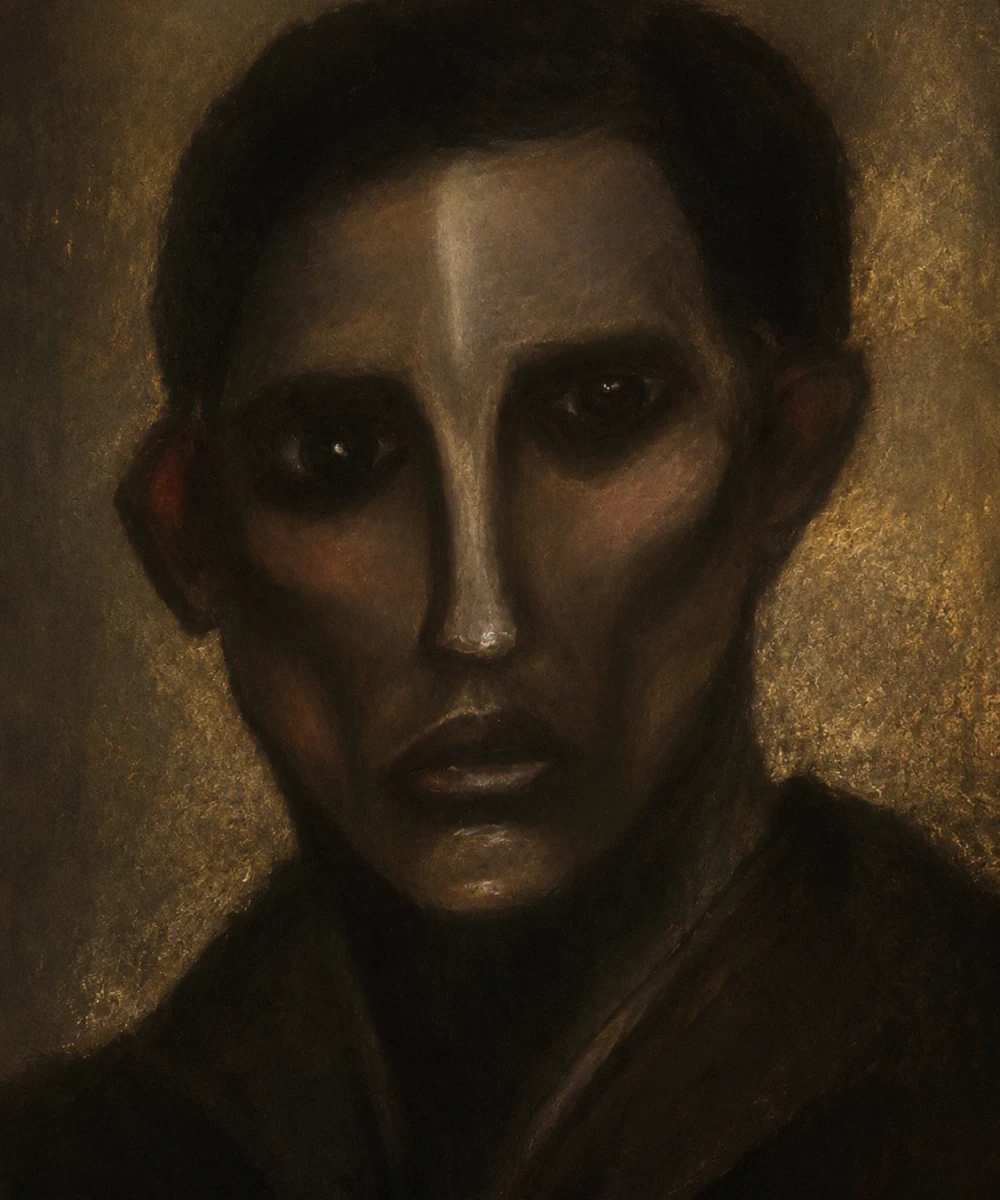 01
01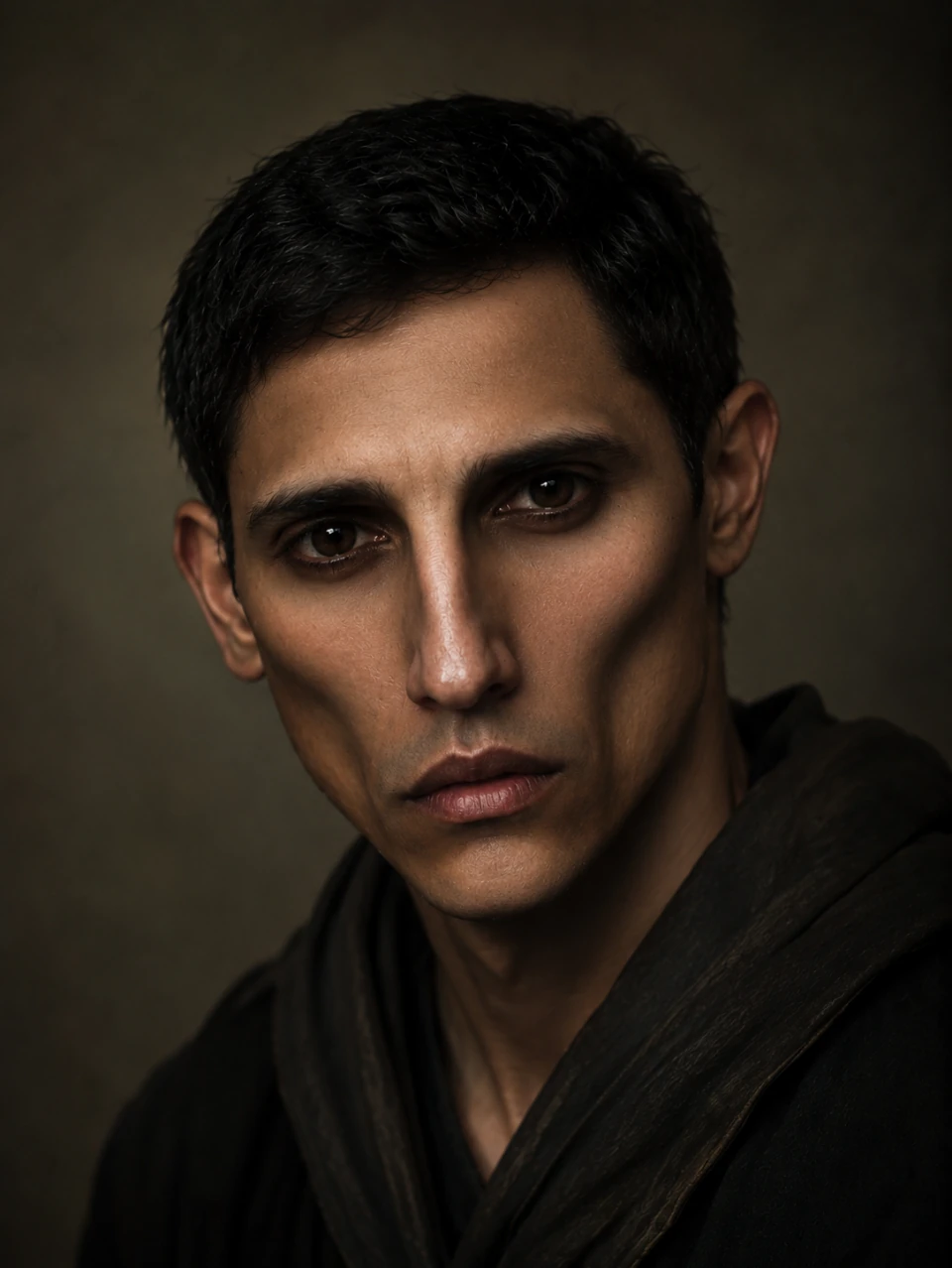 02
02Grounded, muted-color crime realism.
Naturalistic and restrained. Cold light, real interiors, the texture of a working city. The tension lives in faces and silence, not in style, closer to a procedural than to noir.
The psychology of criminals rendered as slow, procedural dread, the interview room as the stage.
One case unspooled with patience and moral weight across a full season.
A grounded, muted palette where the crime is a question the protagonist cannot stop asking.
For studios, press, and collaborators. See what's next from the studio.