Barto
The orphaned forger whose fake Caravaggios earn him a place beside the master. Period realism, warm and weathered.
An orphan in 1600s Rome survives by selling forged Caravaggios to tourists. The real talent in his fakes catches the eye of the master himself, and earns him a place in the workshop as his apprentice.
Rome, the early 1600s. A city of cardinals and cutthroats, lit like a Caravaggio: gold light falling through smoke, and everything of value bought with either money or blood. Barto is an orphan who has learned to survive the only way the streets allow, by selling forged paintings to pilgrims and passing nobles who cannot tell a copy from the real thing.
His forgeries are too good. A fake sold as a Caravaggio makes its way back to the master himself, and instead of a beating, Barto is offered a place in the workshop. What begins as an apprenticeship becomes an education in genius, violence, and ambition, taught by the most dangerous painter alive.
As Barto rises, his own gift threatens to eclipse the man who took him in, and the line between apprentice and rival, forgery and authorship, blurs toward a reckoning. Across three seasons, the engine renews every episode: a new commission, a new deception, a new enemy, and a boy who must decide what kind of artist, and what kind of man, he intends to become.
Each character begins with original art by founder Scott Devon.
The orphaned forger whose fake Caravaggios earn him a place beside the master. Period realism, warm and weathered.
Caravaggio's closest ally in Rome, an architect who built churches by day and carried a sword by night. When the master's temper turns the streets to blood, Longhi is already there.
A celebrated courtesan of Caravaggio's Rome, model for the master's canvases and kept by cardinals and bankers. Her beauty draws both the painter and the enforcer who owns her into a fatal orbit.
A well-connected pimp and street enforcer, quick to take offense and quicker with a blade. The feud that erupts over a woman and a wager ends with a man bleeding out in a Roman alley.
Every character at Beneath Pictures starts as original art by founder Scott Devon, drawn by hand before a frame is rendered. Barto began as a graphite study. From that drawing he was built into a photoreal character, then set in motion on screen. The art comes first, and the technology serves it.
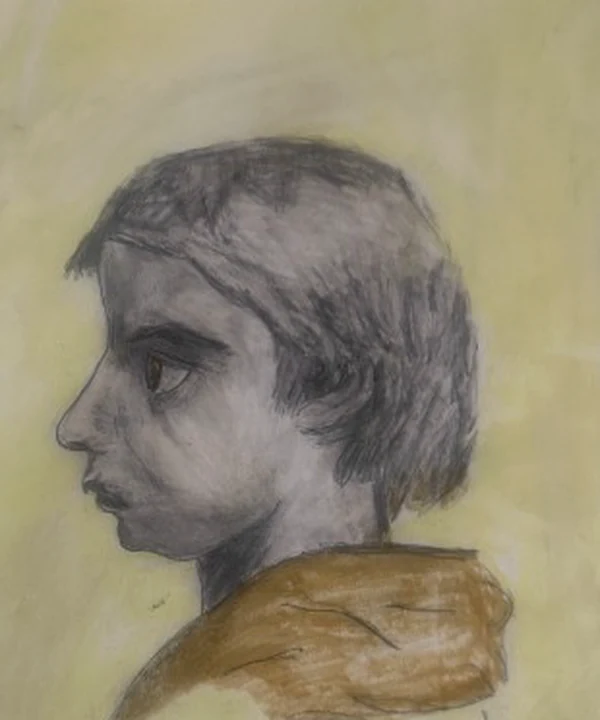 01
01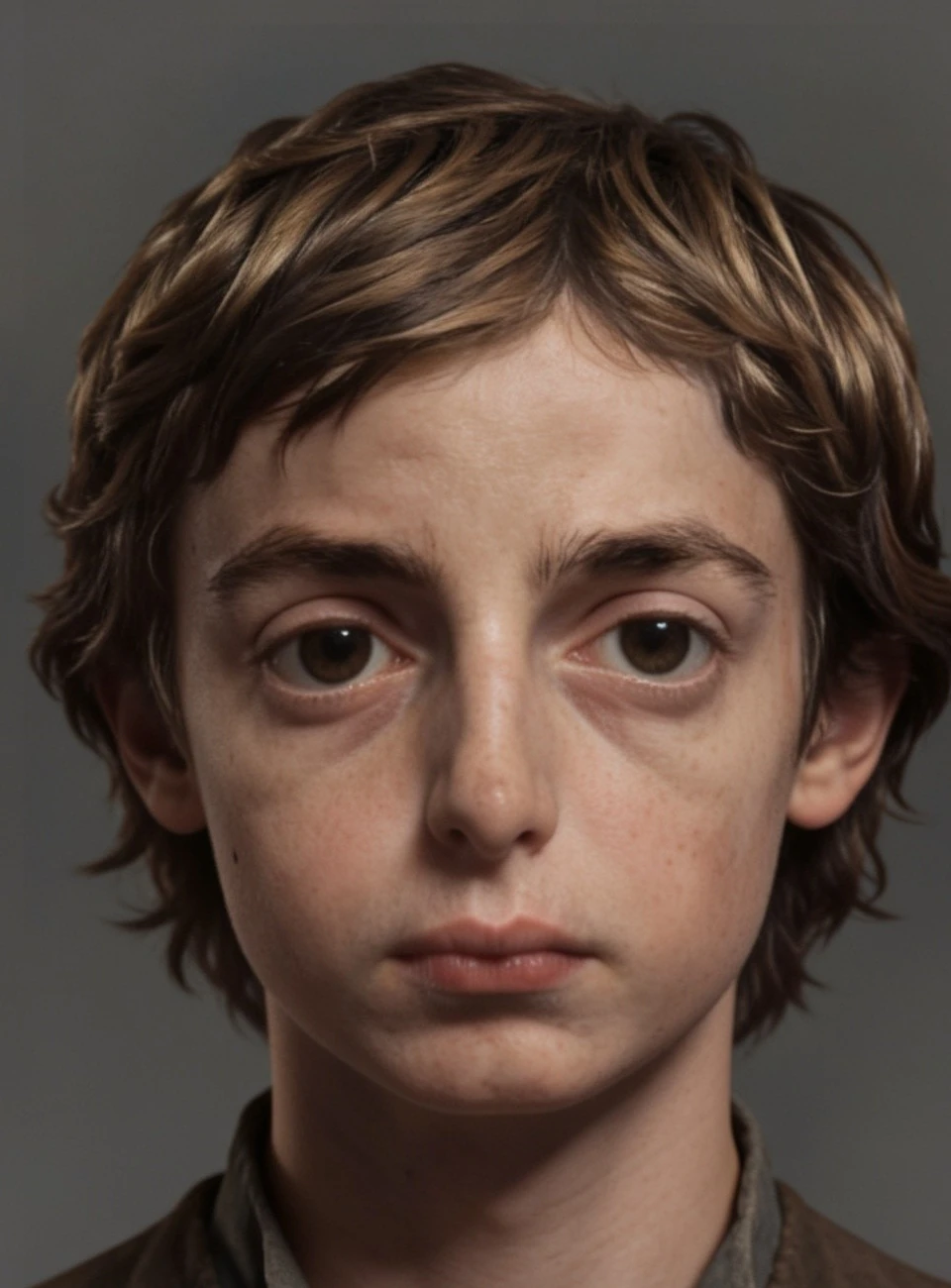 02
02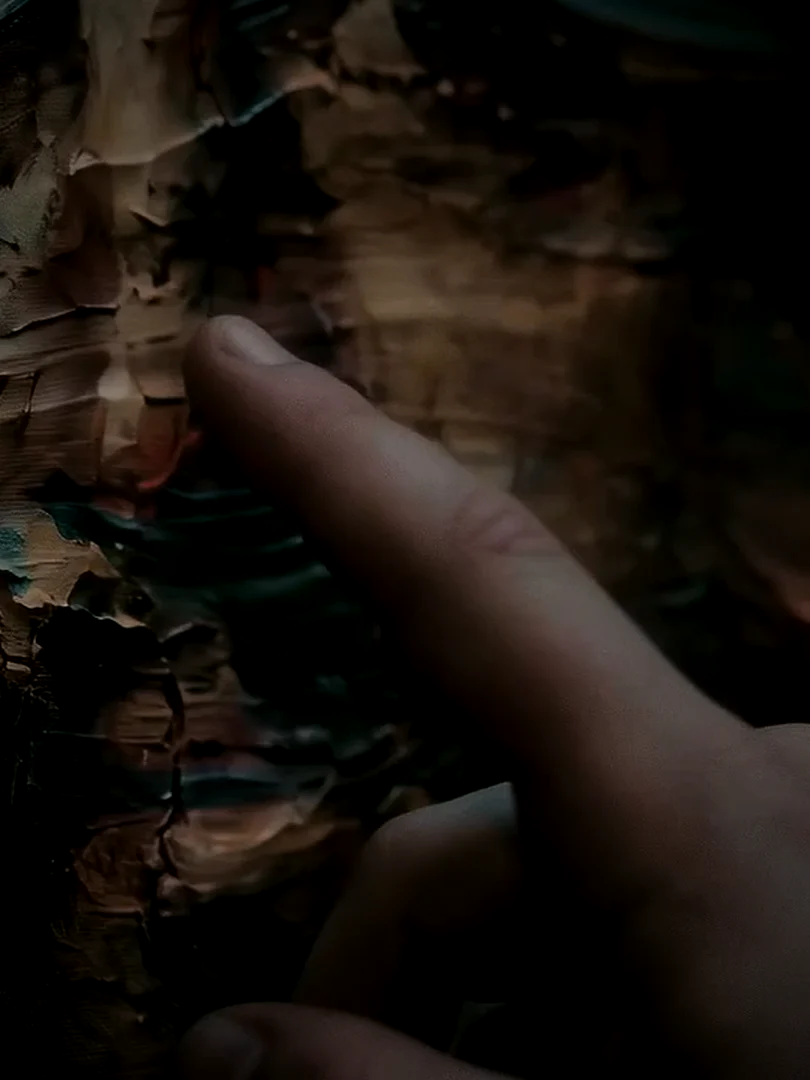 03
03Warm chiaroscuro, old-master realism.
The whole visual language is Caravaggio's: deep shadow, a single warm source, faces carved out of the dark. Period-accurate and weathered, cinematic but never clean. The image should feel painted.
A forger and impersonator in Italy whose whole visual language is Caravaggio's light. The closest thing on television to Barto's world.
The Renaissance art world as patronage, money, and danger, sustained across three seasons.
The painter's Rome rendered with unflinching period realism, the artist as both genius and outlaw.
Barto is one of three stories in development. See how the studio builds a film from an original drawing.